Let us get something out of the way: you already know that nutrition matters. You have heard it a thousand times. You know that you cannot out-train a bad diet, that abs are built in the kitchen, and that what you eat determines whether your workouts actually produce results. The problem has never been knowledge. The problem is execution.
You are busy. You work full time, you train hard, you have obligations that do not disappear just because you decided to get serious about your physique. And when Sunday night rolls around and you are staring at an empty fridge, the path of least resistance is always the same: takeout, fast food, or another protein shake pretending to be a meal. That cycle ends today.
This is the meal prep system we teach at SOSH. It is not glamorous. It is not going to win any cooking show awards. But it works, it scales, and it takes less than two hours per week. If you can follow a recipe and own a few containers, you can do this.
Why Meal Prep Is Non-Negotiable
Meal prepping is not about being obsessive or turning food into a chore. It is about removing decision fatigue from your nutrition. Every time you have to decide what to eat, you are burning willpower. And after a long day at work followed by a hard training session, willpower is in short supply. When your meals are already cooked and portioned in the fridge, there is no decision to make. You grab a container, heat it up, and eat. That simplicity is what makes compliance possible.
The data backs this up. Studies consistently show that people who prepare meals at home eat fewer calories, consume more protein, and have better micronutrient profiles than those who rely on restaurants and convenience food. But the benefit goes beyond nutrition numbers. Meal prep gives you control. You know exactly what is going into your body, which means you can adjust your intake with precision when you need to shift between bulking, cutting, or maintenance phases.
You do not rise to the level of your goals. You fall to the level of your systems. Meal prep is the system that makes good nutrition automatic.
Essential Equipment
You do not need a professional kitchen. Here is what you actually need to make this work:
- Glass meal prep containers (20-25 count). Glass is better than plastic. It does not stain, does not warp in the microwave, and does not leach chemicals. Get containers with locking lids in both single-compartment and three-compartment styles.
- Two large sheet pans. Most of your cooking will happen in the oven. Two pans let you cook proteins and vegetables simultaneously.
- A rice cooker or Instant Pot. This handles your carb base (rice, quinoa, potatoes) with zero effort while you focus on everything else.
- A digital food scale. If you are tracking macros, this is non-negotiable. Eyeballing portions is how people under-eat protein and over-eat carbs without realizing it.
- A good knife and cutting board. A sharp chef's knife cuts your vegetable prep time in half. Invest in one decent knife and keep it sharp.
Buy your glass containers in bulk online. You can find packs of 20 for a fraction of what kitchen stores charge. The initial investment pays for itself within two weeks of not ordering takeout.
The 2-Hour Sunday System
This is the framework. Block two hours on Sunday. Put on a podcast or playlist, and work through these four phases in order. After a few weeks, you will get it down to 90 minutes.
Phase 1: Protein (30 minutes)
Pick two protein sources for the week. Keep it simple. Here are your best options:
- Chicken thighs or breasts: Season with salt, pepper, garlic powder, and paprika. Bake at 400 degrees Fahrenheit for 25 minutes. Thighs are cheaper, more flavorful, and harder to overcook than breasts.
- Ground turkey or lean beef (93/7): Brown in a large skillet with onions and your seasoning of choice. Takes 12 minutes and gives you a versatile base for bowls, wraps, or stir-fries.
- Salmon fillets: Season with lemon, dill, and olive oil. Bake at 400 degrees for 15 minutes. Higher in fat, so account for that in your macros, but the omega-3 profile makes it worth including at least once per week.
Cook enough protein for approximately 14 meals (lunch and dinner, seven days). For most people, this means roughly 5 to 6 pounds of raw protein, which yields about 3.5 to 4 pounds cooked.
Phase 2: Carbs (10 minutes active, 20 minutes passive)
While your protein is in the oven, start your carbs. The beauty of carb prep is that most of it is hands-off.
- Rice: Throw 4 to 6 cups of dry rice into the rice cooker. Walk away. Done.
- Sweet potatoes: Cube them, toss with olive oil and cinnamon, spread on a sheet pan. They can share oven space with your chicken.
- Quinoa or farro: Same process as rice. Set it and forget it.
- Pasta: If you are in a bulking phase, boil a large pot of whole wheat pasta. It reheats well and pairs with almost any protein.
Phase 3: Vegetables (20 minutes)
Vegetables are where most people cut corners, and it shows. Your body needs the fiber, micronutrients, and phytochemicals that vegetables provide. They also add volume to your meals without adding significant calories, which is critical during a cutting phase.
- Roasted vegetables: Broccoli, bell peppers, zucchini, and asparagus all roast beautifully at 400 degrees for 15 to 20 minutes. Toss with olive oil, salt, and pepper.
- Raw prep: Wash and chop cucumbers, cherry tomatoes, and carrots for quick snacking and salad additions. Store in containers with a damp paper towel to keep them crisp.
- Leafy greens: Wash and dry a large batch of spinach or mixed greens. Store in a container lined with paper towels. They will stay fresh for 5 to 6 days.
Phase 4: Assembly (20 minutes)
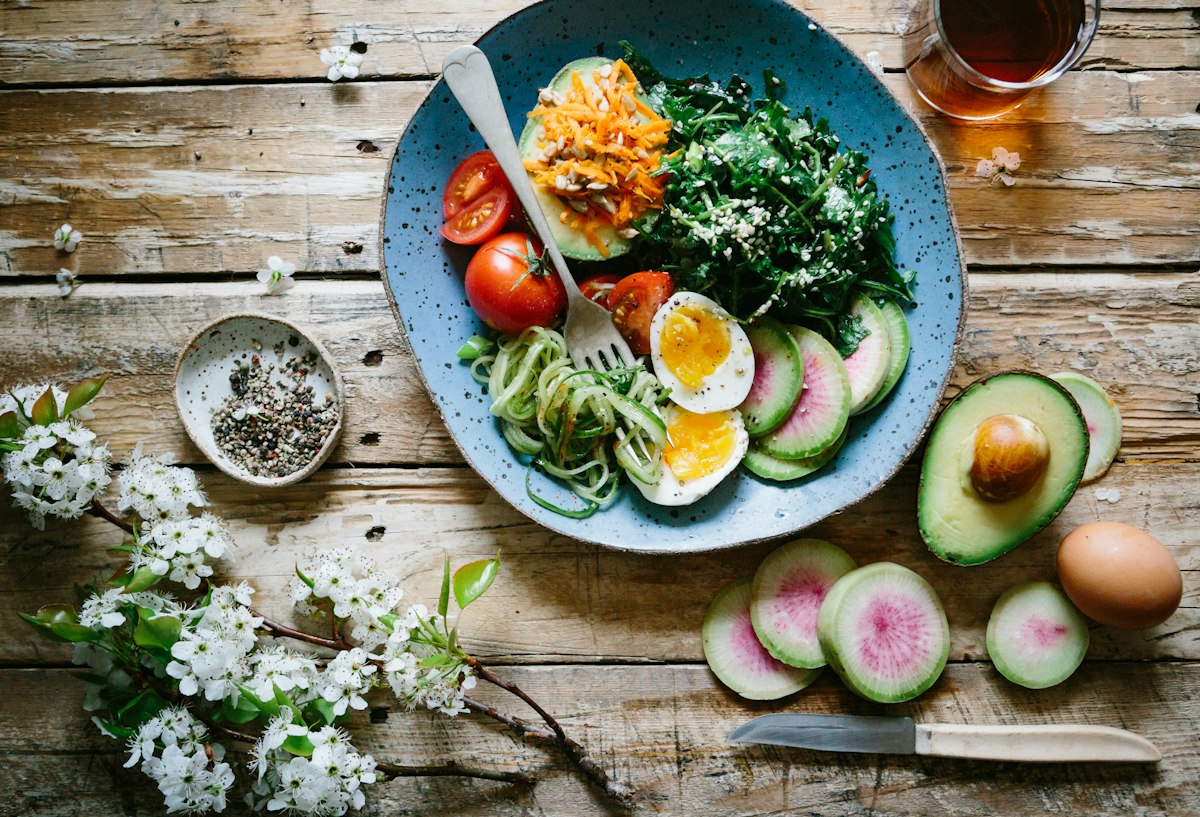
Now you put it all together. Portion your protein, carbs, and vegetables into your containers. Each container should look something like this:
- 6 to 8 ounces of cooked protein (roughly 40 to 55 grams of protein depending on the source)
- 1 to 1.5 cups of cooked carbs (adjust based on your caloric needs and whether you are bulking or cutting)
- 1 to 2 cups of vegetables (the more the better, within reason)
Label each container with the day if that helps you stay organized. Stack them in the fridge. You are done.
Keep a bottle of your favorite hot sauce, soy sauce, or salsa next to your meal prep containers. The single biggest reason people abandon meal prep is boredom, and a different sauce each day can make the same base meal taste completely different.
Sample Meal Plans
For Bulking (approximately 3,200 calories)
- Meal 1 (Breakfast): 4 whole eggs scrambled with spinach, 2 slices whole wheat toast with avocado, 1 cup oatmeal with banana and honey. (~750 calories, 45g protein)
- Meal 2 (Lunch): 8 oz chicken thigh, 1.5 cups white rice, roasted broccoli, drizzle of teriyaki sauce. (~700 calories, 55g protein)
- Meal 3 (Post-Workout): Protein shake with 2 scoops whey, 1 banana, 2 tbsp peanut butter, oat milk. (~550 calories, 50g protein)
- Meal 4 (Dinner): 8 oz ground turkey over 1.5 cups pasta with marinara, side salad with olive oil dressing. (~750 calories, 50g protein)
- Meal 5 (Evening): Greek yogurt with granola and berries, handful of almonds. (~450 calories, 30g protein)
For Cutting (approximately 2,100 calories)
- Meal 1 (Breakfast): 3 egg whites plus 1 whole egg scrambled, 1 slice whole wheat toast, half an avocado. (~350 calories, 25g protein)
- Meal 2 (Lunch): 7 oz chicken breast, 1 cup sweet potato, large serving of roasted vegetables. (~500 calories, 50g protein)
- Meal 3 (Post-Workout): Protein shake with 1 scoop whey, water, 1 banana. (~280 calories, 30g protein)
- Meal 4 (Dinner): 6 oz salmon, 0.75 cup quinoa, steamed asparagus, lemon squeeze. (~550 calories, 45g protein)
- Meal 5 (Evening): Cottage cheese with cucumber slices and everything bagel seasoning. (~200 calories, 25g protein)
Nutrition does not need to be complicated to be effective. Consistency with a simple plan beats perfection with a plan you cannot sustain.
Macro Tracking Without Losing Your Mind
You do not need to weigh every grain of rice for the rest of your life. But you should track your intake accurately for at least 4 to 6 weeks when you are starting out. This builds a calibration for what proper portions look like, so that eventually you can eyeball meals with reasonable accuracy.
Use a free app to log your food. Weigh your portions raw when possible, as cooked weight varies depending on water loss. Focus on hitting your protein target first — that is the most important macro for body composition. Then fill in your carbs and fats based on your caloric goal.
A good starting point for most lifters:
- Protein: 0.8 to 1 gram per pound of body weight
- Fat: 0.3 to 0.4 grams per pound of body weight
- Carbs: Fill the remaining calories with carbohydrates
Weigh yourself at the same time every morning (after waking, before eating) and track the weekly average, not the daily number. Daily weight fluctuates by 2 to 4 pounds due to water, sodium, and digestion. The weekly trend is what matters.
Batch Cooking Hacks That Save Time
After coaching hundreds of SOSH members through their nutrition, here are the shortcuts that consistently save the most time:
- Cook once, season twice. Make a large batch of plain chicken and split it into two groups with different seasonings. Now you have two different meals from one cooking session.
- Freeze the overflow. Prepped meals stay fresh in the fridge for 4 to 5 days. If you are prepping for a full 7 days, freeze the last 2 to 3 days worth and thaw them mid-week.
- Use pre-cut vegetables. Yes, they cost a bit more. But if the alternative is not prepping at all because you cannot face chopping vegetables for 30 minutes, the convenience tax is worth it.
- Hard-boil a dozen eggs. They last a week in the fridge and are the easiest on-the-go protein source you can have. Two hard-boiled eggs are 12 grams of protein with zero prep time on a weekday morning.
- Make overnight oats in bulk. Five mason jars, oats, protein powder, milk, and toppings. That is five breakfasts handled with 10 minutes of work.
The Bottom Line
Meal prep is not about eating the same boring chicken and rice every day for the rest of your life. It is about building a system that removes friction from your nutrition. When your meals are ready, you eat well. When they are not, you eat whatever is convenient, and convenience rarely aligns with your goals.
Start small. Prep just your lunches for the first week. Then add dinners. Then breakfasts. Build the habit before you optimize the details. Two hours on Sunday is all it takes to completely transform how you eat for the entire week. That is a trade worth making.
The best diet is the one you can actually follow. Make it easy, make it consistent, and the results will come.