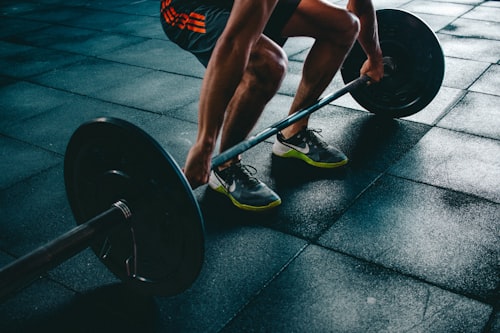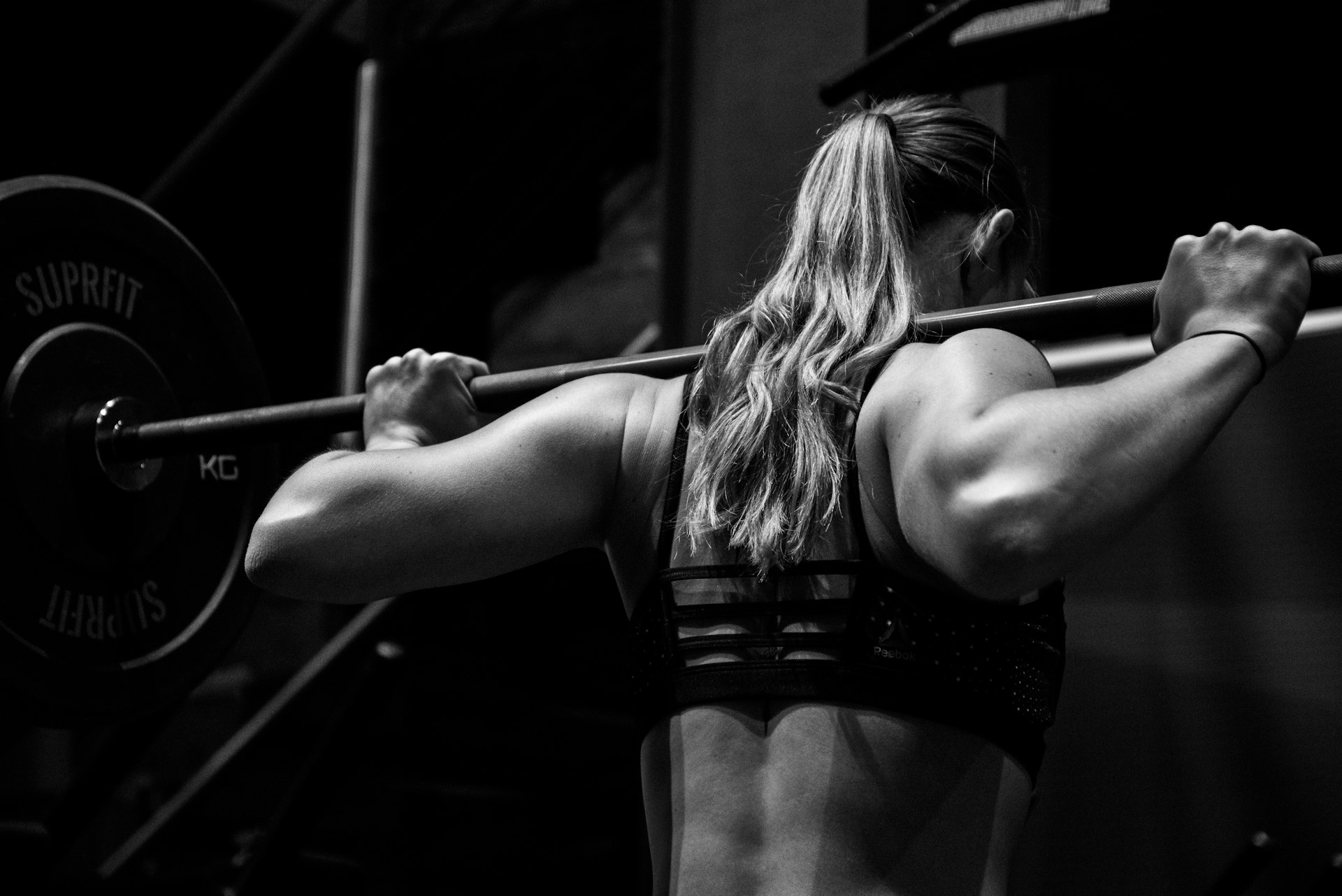
You can have the most perfectly programmed training routine in existence, nail your macros to the gram, and show up to the gym with unshakeable discipline. But if your recovery is garbage, none of it matters. Your body does not build muscle while you are training. It builds muscle while you are recovering. Training is the signal. Recovery is the response.
At SOSH, recovery is not an afterthought. It is a pillar of our programming. And after years of working with elite athletes and dedicated lifters, we have distilled the recovery landscape down to three non-negotiable tools that deliver the most bang for your investment: sleep, sauna, and cold exposure.
Pillar 1: Sleep — The Foundation of Everything
Sleep is the single most powerful recovery tool available to any human being, and it costs nothing. During deep sleep, your body releases the majority of its daily growth hormone, which is essential for muscle repair, tissue regeneration, and fat metabolism. Without adequate sleep, your testosterone levels drop, your cortisol rises, your insulin sensitivity worsens, and your brain's ability to coordinate movement patterns deteriorates.
The research is unambiguous. Sleeping less than seven hours per night is associated with decreased strength output, reduced training volume, slower reaction times, and increased injury risk. One study found that athletes who slept fewer than six hours per night were 70 percent more likely to sustain an injury compared to those who slept eight or more hours.
You do not earn rest. You schedule it. Sleep is not laziness. It is the most productive thing your body does.
Optimizing Sleep Quality
- Target 7 to 9 hours of actual sleep. This means being in bed for 8 to 10 hours, because nobody falls asleep instantly and nobody sleeps without some waking periods.
- Keep your room cold. Your core body temperature needs to drop by about 2 degrees Fahrenheit to initiate and maintain deep sleep. Set your thermostat between 65 and 68 degrees Fahrenheit.
- Eliminate light exposure after sunset. Blue light from screens suppresses melatonin production by up to 50 percent. Use blue-light-blocking glasses or simply put your phone away two hours before bed.
- Establish a consistent schedule. Going to bed and waking up at the same time every day, including weekends, is more important than any supplement or sleep hack. Your circadian rhythm thrives on consistency.
- Avoid caffeine after 2 PM. Caffeine has a half-life of 5 to 6 hours. That afternoon espresso at 3 PM still has half its stimulant effect at 9 PM, even if you do not feel it. Your sleep architecture is compromised whether you notice it or not.
Track your sleep with a wearable device or even a simple sleep diary. Measure your total sleep time, time to fall asleep, and number of awakenings. What gets measured gets managed, and most people are shocked to discover they are getting far less quality sleep than they assumed.
Pillar 2: Sauna — Heat Stress for Systemic Recovery
Sauna bathing has been a cornerstone of health culture in Finland for thousands of years, and modern research is confirming what those populations discovered empirically. Regular sauna use triggers a cascade of physiological responses that enhance recovery, improve cardiovascular health, and may even extend lifespan.
When you enter a sauna heated to 170 to 200 degrees Fahrenheit, your core temperature rises, your heart rate increases to 100 to 150 beats per minute (similar to moderate exercise), and your body mounts a robust heat shock protein response. These heat shock proteins repair damaged proteins in your cells and have been shown to reduce muscle protein breakdown after intense training.
The Benefits of Regular Sauna Use
- Enhanced blood flow and nutrient delivery. The vasodilation caused by heat exposure increases blood flow to damaged tissues, accelerating the delivery of oxygen, amino acids, and other nutrients needed for repair.
- Increased growth hormone release. A single sauna session can increase growth hormone levels by 200 to 300 percent. Repeated sessions amplify this effect further.
- Improved cardiovascular function. Regular sauna use has been associated with reduced risk of cardiovascular disease, lower blood pressure, and improved endothelial function.
- Reduced inflammation. Heat exposure lowers inflammatory markers including C-reactive protein and interleukin-6, both of which are elevated after intense training.
- Mental health benefits. Sauna use triggers the release of endorphins and dynorphins, producing a state of deep relaxation that can improve mood, reduce anxiety, and enhance sleep quality.
Sauna Protocol for Athletes
For recovery, aim for 3 to 4 sauna sessions per week, each lasting 15 to 25 minutes at 170 to 200 degrees Fahrenheit. Start with shorter sessions if you are new to sauna and gradually build up. Always hydrate aggressively before, during, and after your session. A good guideline is to drink 16 ounces of water for every 15 minutes of sauna time.
Pillar 3: Cold Exposure — The Uncomfortable Truth
Cold exposure is the tool everyone wants to skip. Nobody enjoys stepping into 40-degree water. Your body screams at you to get out. Every survival instinct fires at once. But that discomfort is precisely what makes it effective, both physiologically and psychologically.
When you immerse your body in cold water, your blood vessels constrict rapidly. This reduces inflammation and swelling in damaged tissues. When you exit the cold, blood rushes back into those tissues with a surge of fresh oxygen and nutrients. This vasoconstriction-vasodilation cycle is essentially a pump that flushes metabolic waste from your muscles and accelerates the repair process.
If you only do what is comfortable, you will only get what is average. Cold exposure teaches your body and your mind to thrive in discomfort.
Cold Exposure Protocol
- Start with cold showers. End your regular shower with 30 to 60 seconds of the coldest water your tap produces. This is enough to trigger a norepinephrine response and begin building your cold tolerance.
- Graduate to cold plunges. Once cold showers feel manageable, move to full-body immersion at 50 to 59 degrees Fahrenheit for 2 to 5 minutes. This temperature range provides the strongest research-backed benefits.
- Timing matters. Do not cold plunge immediately after strength training if hypertrophy is your primary goal. Cold exposure can blunt the inflammatory signaling that drives muscle growth. Instead, wait at least 4 hours after lifting, or do your cold plunge on rest days.
- Focus on your breath. The initial shock of cold water triggers a gasp reflex and rapid breathing. Control this by taking slow, deliberate breaths through your nose. This is where the mental fortitude component of cold exposure lives.
The contrast method is incredibly effective: alternate between 15 minutes in the sauna and 2 minutes in the cold plunge for 3 to 4 rounds. This creates a powerful vasodilation-vasoconstriction cycle that flushes metabolic waste and delivers nutrients to damaged tissues. SOSH Elite members have access to our sauna and cold plunge facilities for exactly this protocol.
Putting the Stack Together
Here is how we recommend integrating all three pillars into your weekly routine:
- Sleep: 7 to 9 hours every night. Non-negotiable. This is the foundation that makes everything else work.
- Sauna: 3 to 4 sessions per week, 15 to 25 minutes each. Best done on training days, either immediately after your workout or in the evening to enhance sleep quality.
- Cold Exposure: 2 to 3 sessions per week, 2 to 5 minutes each. Best done on rest days or at least 4 hours after training. Pair with sauna for the contrast protocol when possible.
The Bottom Line
Recovery is not passive. It is not lying on the couch watching television. Real recovery is an active, strategic practice that involves optimizing your sleep environment, exposing your body to controlled heat stress, and building resilience through cold exposure. These three tools are not trends. They are backed by decades of research and centuries of practical application.
The athletes who recover the fastest train the hardest and progress the furthest. Invest in your recovery with the same discipline you bring to your training, and watch what happens.